
 By Kevin Gonzalez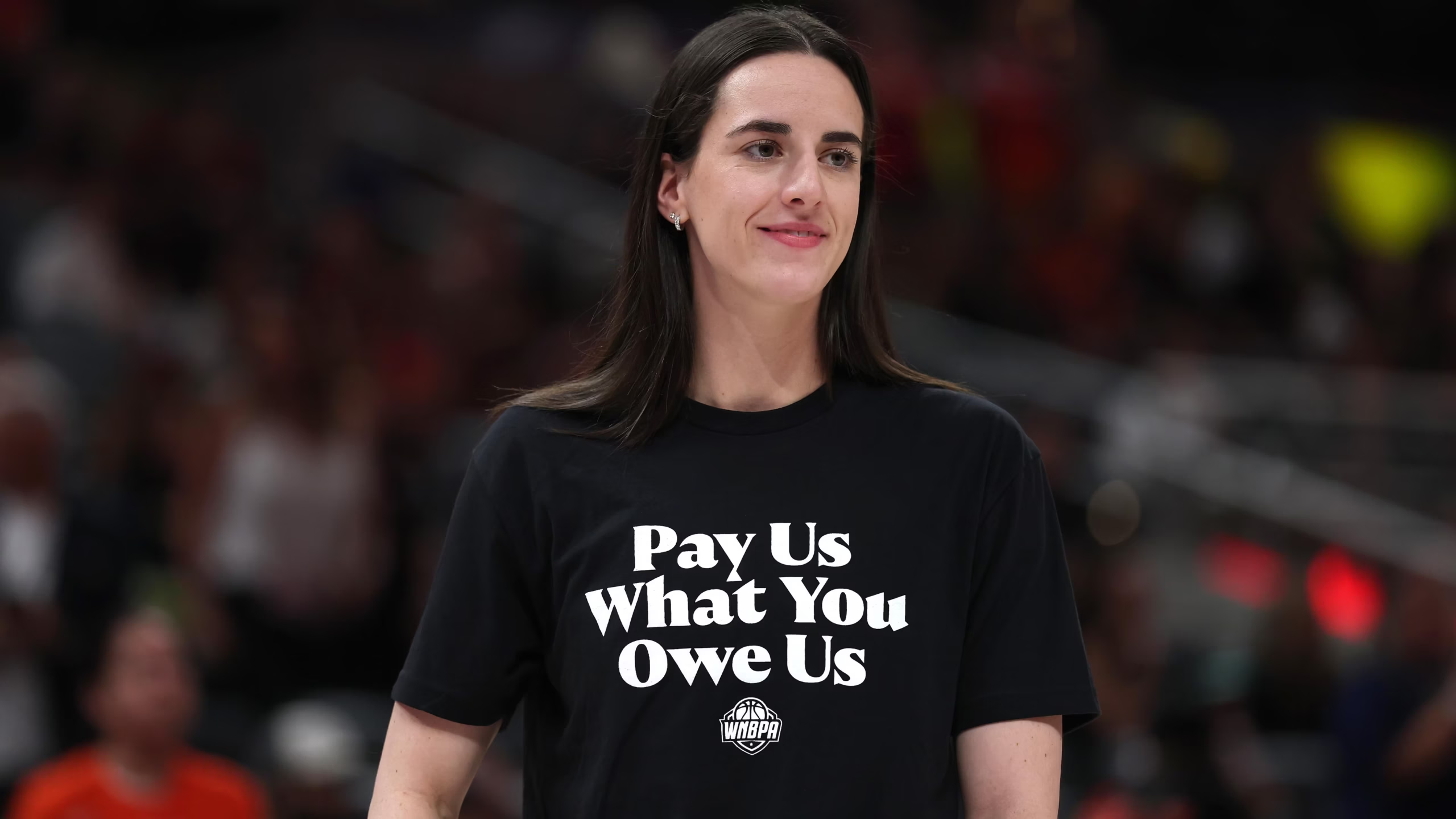
The WNBA is currently at the most important crossroads in its history. Players are unhappy and negotiations with the league have reached a critical point. They are demanding higher revenue sharing, private jet travel, and improved working conditions that the league says it cannot sustainably provide. The most concerning part is that if this situation turns into a strike, it could lead to irreparable damage or even the end of the WNBA as we know it.
As a big baseball fan, go Fish, older fans remember when Major League Baseball was unrivaled as the biggest sport in America. That changed in 1994 when the players went on strike. The season was canceled, the World Series never happened, and baseball lost its cultural dominance almost overnight. The NFL soon took over and baseball never fully recovered. MLB survived because it was already a financial giant with decades of loyalty built into its fan base. The WNBA does not have that same luxury.
The recent boom created by Caitlin Clark has brought unprecedented attention to the league. Games featuring Clark averaged over 1.2 million viewers during the 2024 season, with some broadcasts reaching more than 2 million. Merchandise sales spiked dramatically, ticket prices surged, and social media engagement hit record levels. However, that surge has been extremely top heavy. When Clark is not playing, average viewership often drops back below 400,000. That gap shows the league still struggles to maintain consistent national interest beyond one superstar.
Right now, the players and the league are negotiating terms where the league holds most of the leverage. The WNBA is still operating at a financial loss. Reports estimate league revenue at roughly 200 million dollars annually, while expenses remain higher. For most of its existence, the NBA has subsidized the WNBA, covering operating costs and keeping the league afloat. The long term goal of the WNBA is independence from the NBA, but that goal becomes impossible if player salaries outpace league growth.
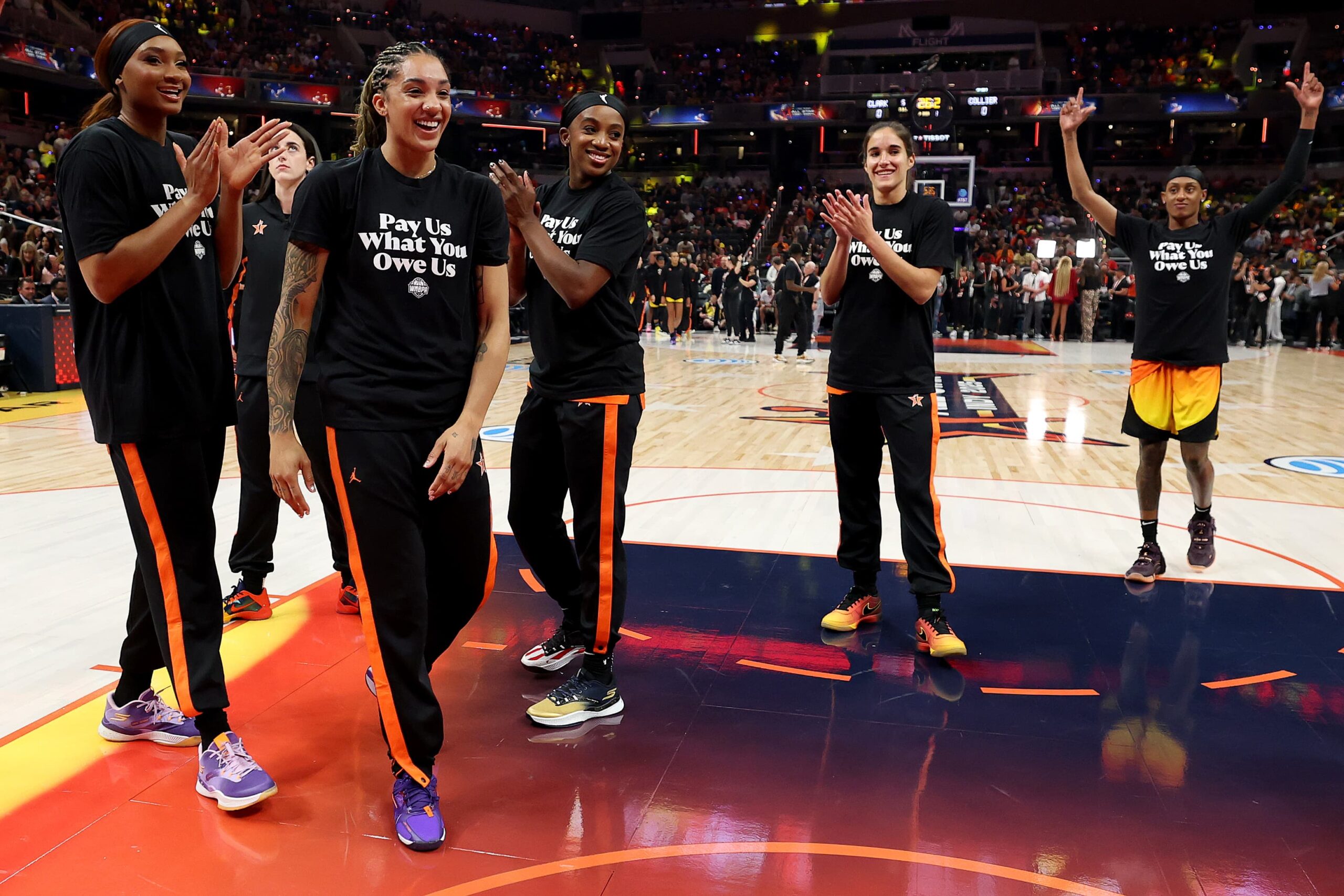
The new media rights deal that begins in 2026 is projected to bring in around 200 million dollars per year, nearly triple the previous deal. This is the foundation for the league’s optimism and the players’ demands. Under the league’s current proposal, average player salaries would increase nearly five times their current level. Top players would earn over one million dollars annually, and even role players would finally be able to live comfortably without needing overseas contracts or second jobs.
That is a massive improvement and a historic step forward. For the first time, most WNBA players could call themselves true professionals financially. The problem is that the players are asking for a revenue split similar to the NBA, which receives about 50 percent of basketball related income. The WNBA currently operates far below that threshold and giving up that much revenue could destabilize the league entirely.
The players’ primary leverage has been the threat of a strike and the existence of Unrivaled,their alternative league. Unfortunately, Unrivaled has struggled to gain traction. Viewership has averaged roughly 32,000 viewers per game in its second season, a sharp decline from expectations. That weak performance has limited the pressure it can put on the WNBA. Without a strong competing league, the players’ bargaining position weakens significantly.
Even with the Caitlin Clark boost, the WNBA is not yet financially self sustaining. Operating losses combined with expanded player benefits such as private jet travel, higher revenue sharing, and increased salaries could push the league into dangerous territory. If players eat too deeply into their own league’s budget, they risk shrinking the very platform they depend on.
This is why the situation feels so fragile. The WNBA needs uninterrupted seasons, momentum, and stability more than ever. A strike would halt growth just as casual fans are beginning to pay attention. Sponsors, broadcasters, and new viewers could easily drift away. History shows that sports leagues rarely win public sympathy in labor disputes, especially when visibility is still developing.
My belief is that the players will ultimately begrudgingly accept the league’s original offer, assuming it is still available. They will take the historic salary increases now and revisit the revenue share conversation in the next collective bargaining agreement six years from now. That may be frustrating, but it is likely the safest path forward.
If the league can maintain growth, diversify its stars, and stabilize viewership beyond Caitlin Clark, the next negotiation could look very different. If not, the risk becomes existential. We may be watching the most delicate chapter in WNBA history unfold in real time.
Hopefully, cooler heads prevail. The league needs a full uninterrupted season. The players deserve progress and respect. And the sport itself needs time to grow into what everyone hopes it can become.
Because if this moment collapses, there may not be a next one.
 Projectsiix
  Joel Perez