
 By Kevin Gonzalez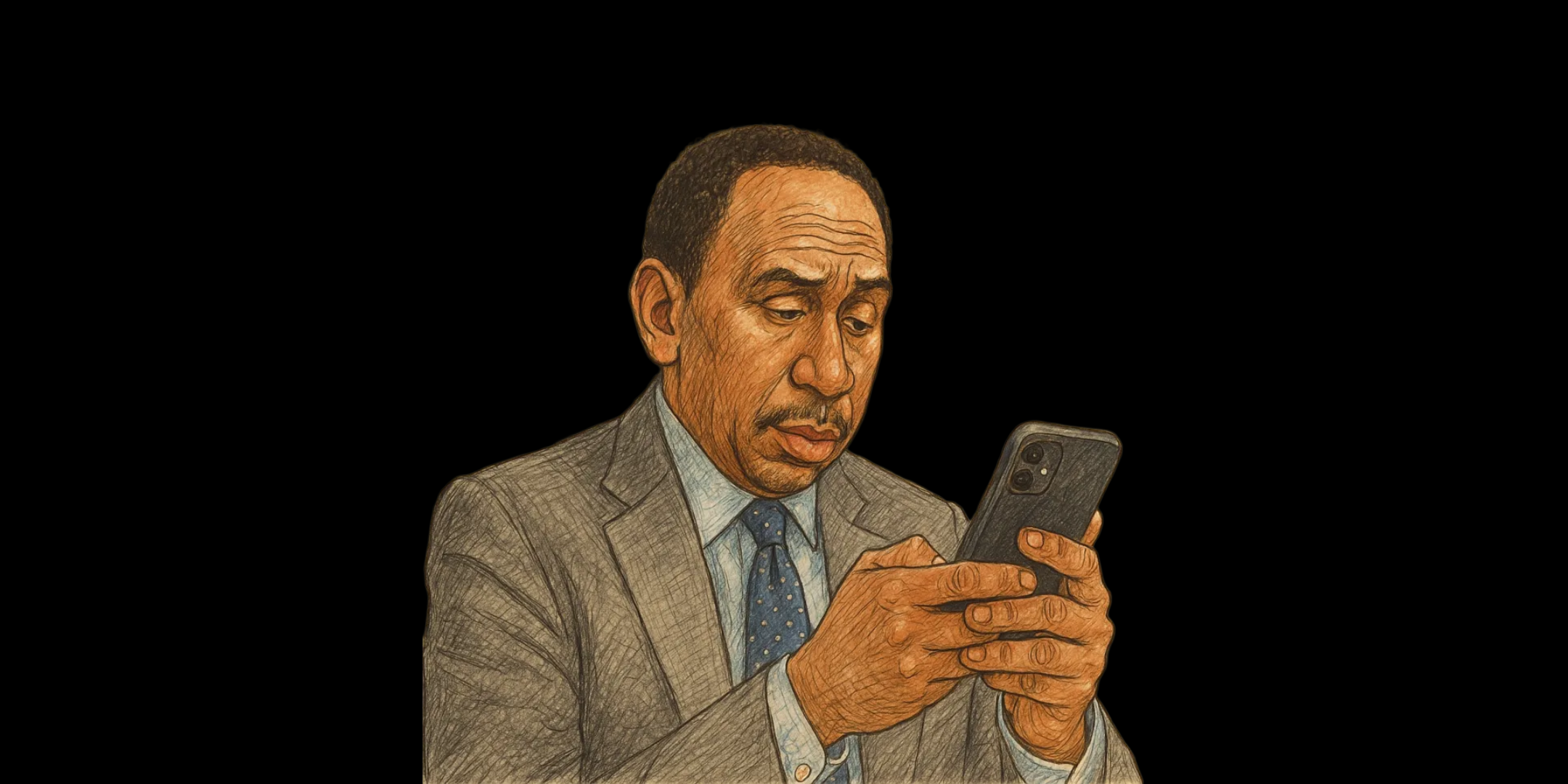
Stephen A. Smith, the face of ESPN now reportedly makes close to $100 million a year.
And look, whether you like him or not, you can’t really argue that he didn’t earn his position. The early days of First Take, the outrageous takes, the viral clips, the constant debates helped turn him into the biggest personality in sports media.
But somewhere along the way, something else happened.
The aura that once defined ESPN slowly faded.
Think about the people who built the network during its golden era:
Chris Berman, Stuart Scott, Dan Patrick.
Later you had voices like Pablo Torre and John Anderson, and shows like Pardon the Interruption with Tony Kornheiser and Michael Wilbon.
Then there were personalities like Dan Le Batard.
Notice something?
It wasn’t just one star. It was a tight-knit ecosystem of voices. ESPN once felt like a sports newsroom, a clubhouse, and a family all at the same time.
Originally, I thought this piece would be about why Stephen A. Smith might lead to the downfall of ESPN.
But then I realized something uncomfortable.
I was part of the problem.
During the years when Max Kellerman was on First Take, I watched it almost every day. I genuinely enjoyed it. I was one of the millions of viewers tuning in, arguing online, sharing clips actively participating in the slow de-evolution of sports media and journalism.
So how could I put all the blame on Stephen A. Smith?
The truth is, he’s just the most visible piece of a much larger machine.
And that machine is ESPN itself.
As good of a professional rage-baiter as Stephen A. is, the network might actually be better at it than he is. Stephen may go after players, coaches, or teams on air, but have you noticed how rarely he criticizes the leagues themselves?
That’s not an accident.
ESPN is deeply tied to the leagues it covers: the National Football League, the National Basketball Association, and Major League Baseball. Billions of dollars are tied up in broadcast rights, exclusive interviews, and prime-time games.
Criticizing the leagues too strongly could risk all of that.
And when someone actually did cross that line?
Well, look at what happened to Bill Simmons.
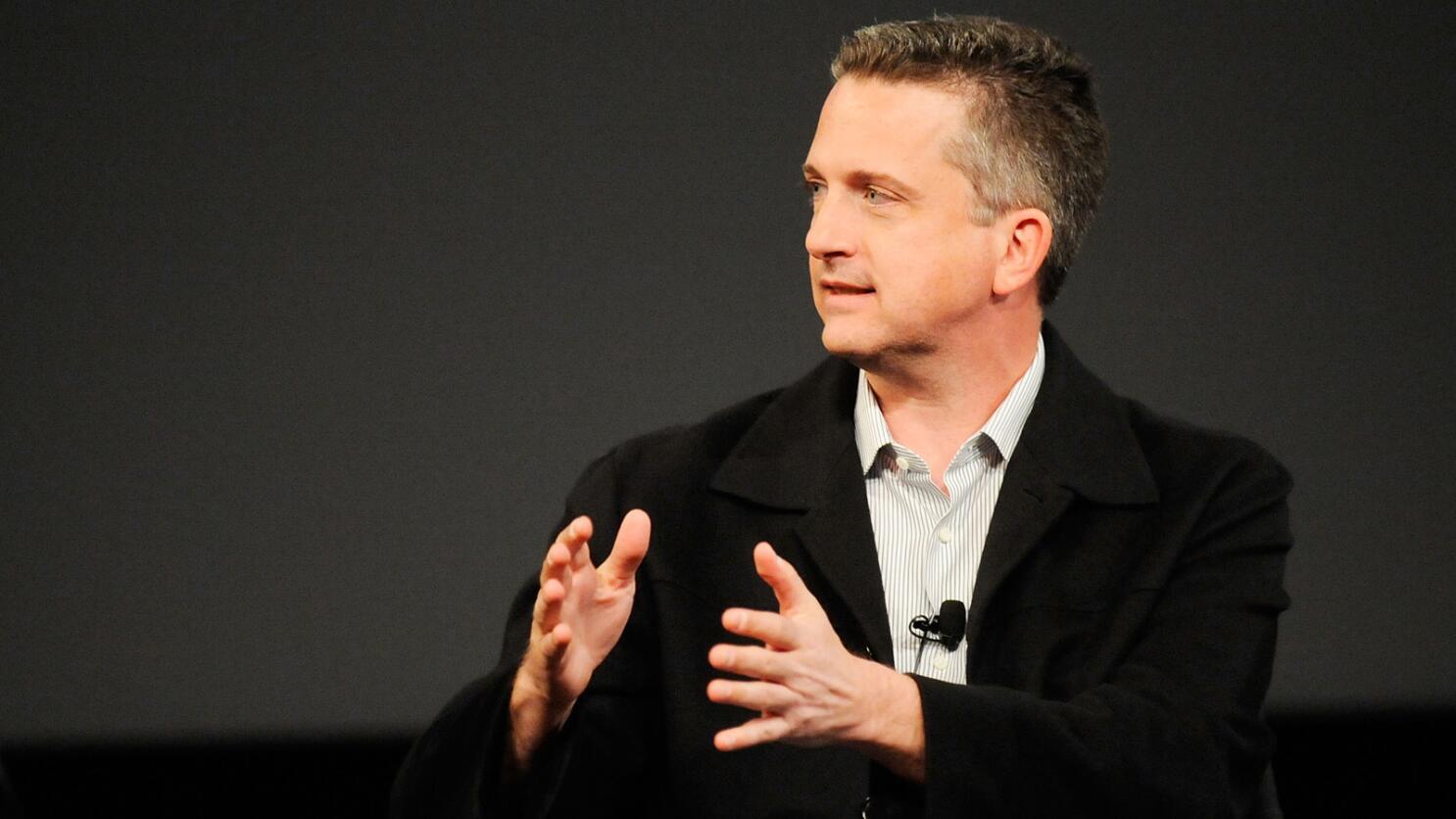
After publicly criticizing Roger Goodell for the league’s handling of the Ray Rice domestic violence case where Rice initially received only a two-game suspension Simmons famously dared ESPN to punish him.
Shortly after, he didn’t receive a contract extension.
Weird.
But also… not really.
At that point the pattern becomes obvious. Stephen A. Smith isn’t just a personality, he’s the perfect avatar for the system ESPN built. He commands attention, drives engagement, and tells the stories the network is comfortable telling.
Not necessarily the ones we should be hearing.
Modern ESPN programming often feels less like journalism and more like a content assembly line. Debate shows pump out hot takes every morning, every afternoon, every night.
Slop.
And not just slop, sometimes propaganda slop.
The debate format itself creates the illusion of truth. If two people loudly argue opposing sides of an issue, viewers feel like they’re watching a fair discussion. But if neither side actually challenges the deeper issues the business of sports, the leagues’ decisions, the power structures then the conversation never really goes anywhere. It just spins.
Stephen A. Smith, in a strange way, is like the J. Robert Oppenheimer of this entire era. He helped spark the chain reaction of the hot-take industrial complex but now it’s far bigger than any one personality.
And maybe that’s why people are starting to push back. Recently, Stephen A. has taken more criticism than ever before. Moments like the “solitaire during the NBA Finals” controversy sparked backlash from fans and journalists alike. Media figures outside ESPN have been more willing to question his role and the broader direction of sports coverage.

But once again, we might be getting the villain wrong.
Stephen A. Smith didn’t give himself a $20 million salary.
ESPN did.
They understand something very clearly: Stephen is big enough to dominate the conversation, but still perfectly sized to sit inside the system they’ve created.
And as long as millions of us keep watching, arguing, clipping, and sharing the machine will keep running exactly the way it was designed to.
 Projectsiix
  Joel Perez